
Kidney Stone Treatment Without Surgery — Lithotripsy & RIRS Explained
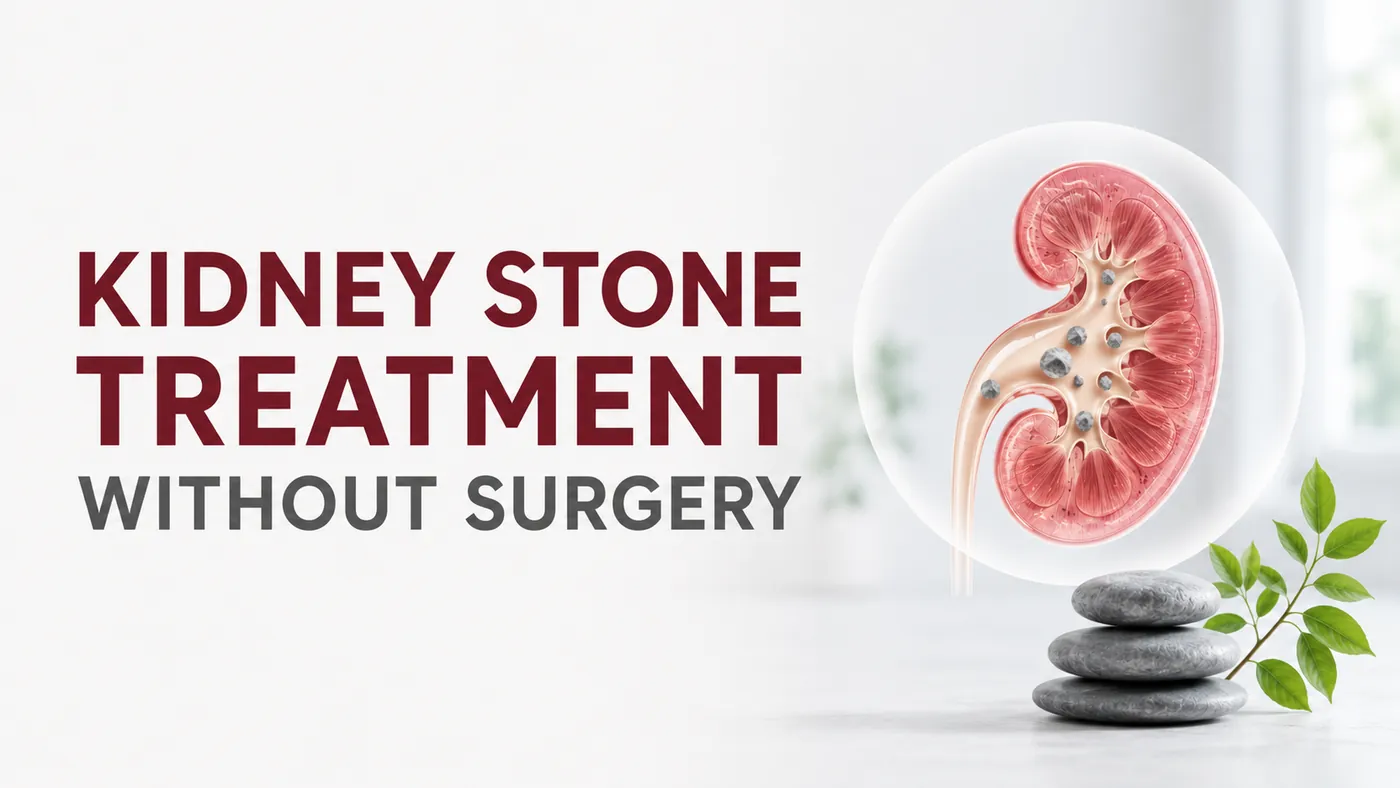
Stones up to 2 cm can be cleared without a single cut. Oxford Hospital Jalandhar offers ESWL, RIRS and laser lithotripsy with 24/7 dialysis backup.
Most kidney stones up to 2 cm can be cleared without a single cut. Oxford Hospital Jalandhar offers the full spectrum of stoneless urology — ESWL, RIRS, laser lithotripsy and PCNL.
Treatment Options
- ESWL (Shockwave Lithotripsy): External shockwaves break stones <1.5 cm. Painless, no anaesthesia.
- RIRS (Retrograde Intrarenal Surgery): Flexible scope through urethra, laser breaks stone. Best for 1–2 cm stones.
- PCNL (Percutaneous Nephrolithotomy): 1 cm keyhole in back for large or staghorn stones.
- URSL (Ureteroscopy): Laser fragmentation of ureteric stones.
Symptoms to Watch For
- Severe colicky pain in flank radiating to groin
- Blood in urine
- Burning urination
- Nausea and vomiting
- Fever — sign of infection (urgent)
Prevention — Drink, Don't Skip Calcium
Drink 3 litres water daily. Reduce salt and animal protein. Don't cut dairy — dietary calcium actually reduces oxalate stone risk. Lemon juice (citrate) is your friend.
Painful kidney stone? Don't wait. Call Oxford Hospital urology: +91 98550 00028.
Disclaimer: This article is for informational purposes only and not a substitute for medical advice. Consult a healthcare professional for diagnosis, treatment, or concerns. Call us at +91 98550 00028 or Visit Oxford Hospital, Jalandhar.
Frequently Asked Questions
Can kidney stones be removed without surgery?
Frequently, yes. Stones smaller than about 5mm often pass naturally with fluids and medical expulsive therapy. Larger stones can be treated with ESWL (shock wave lithotripsy) or RIRS, a laser procedure performed through the natural urinary passage with no external incision. Stones up to around 2cm are commonly cleared this way.
What does kidney stone treatment cost at Oxford Hospital?
RIRS laser stone removal is ₹55,000 to ₹85,000 for a 60 to 90 minute procedure. ESWL is quoted after assessment of stone size and position. Both are cashless under PMJAY, CGHS, ECHS and major insurers for eligible patients.
What are the symptoms of a kidney stone?
Classically, severe colicky pain in the flank radiating to the groin, often in waves. Blood in the urine, nausea and vomiting, painful or frequent urination are common. Fever with stone pain is a medical emergency — it suggests infection behind an obstruction and needs immediate attention.
How can I prevent kidney stones from recurring?
Recurrence is common without prevention. Drink enough water to keep urine pale — usually 2.5 to 3 litres a day in Punjab's climate. Reduce salt, limit oxalate-rich foods if you form calcium oxalate stones, moderate animal protein, and maintain adequate dietary calcium. Stone analysis and a metabolic workup let prevention be targeted to your stone type.
Is RIRS better than open surgery?
For suitable stones, yes. RIRS uses the body's natural urinary passage, so there is no incision, blood loss is minimal, hospital stay is short and recovery is quick. Open surgery for stones is now rare and reserved for unusually large or complex cases.
Could not find what you are looking for?
Request a Callback
Helpline
+91 98550 00028
Available
24 / 7 — All Days
Location
305 Lajpat Nagar, Near Nakodar Chowk, Jalandhar, Punjab 144001
support@oxfordhospital.in